Understanding and Managing Chronic Stress: The Hidden Toll of Modern Life
Your body hasn't changed since the Stone Age, but your environment has. Here's how chronic stress silently disrupts metabolism, sleep, and immunity — and what you can do about it.
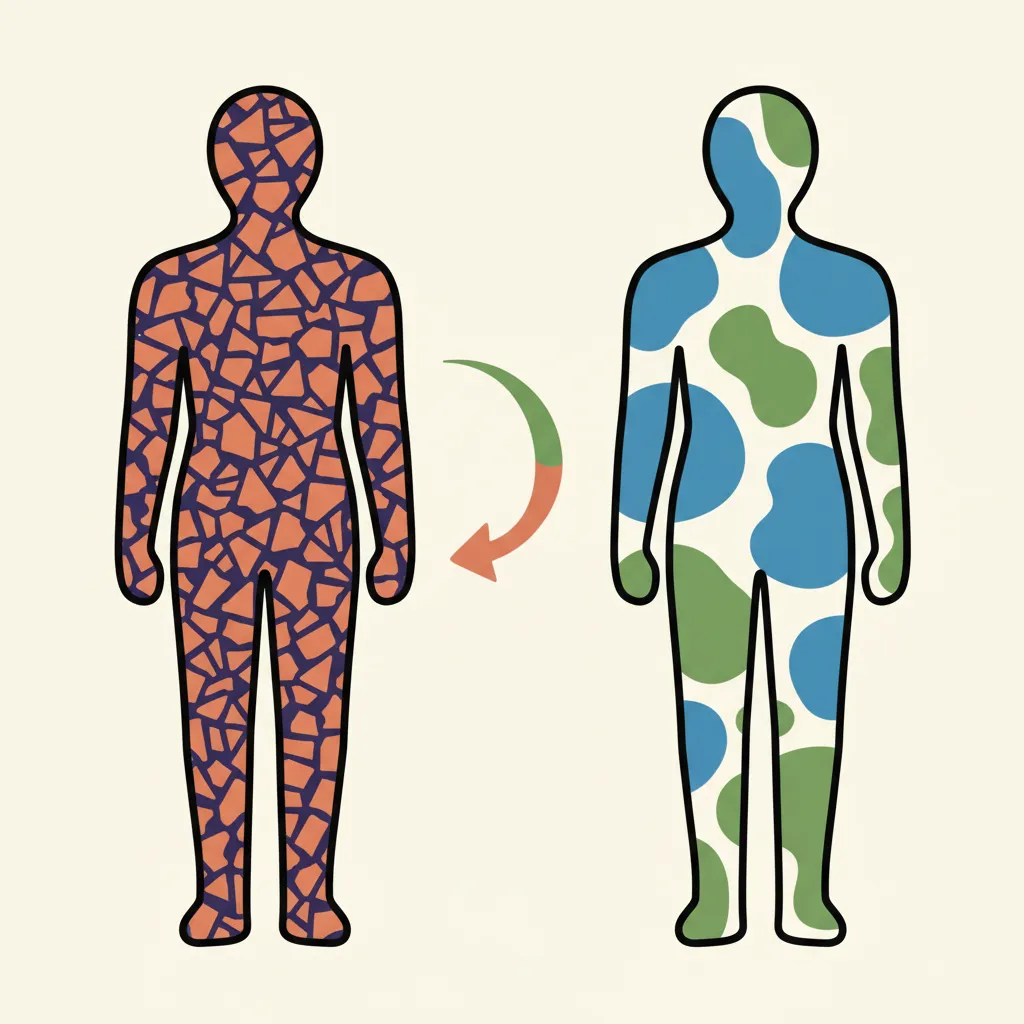
The Tale of Two Lives
A Day in the Life of Modern Manny
Manny’s day begins with an alarm-induced jolt and a flood of smartphone notifications before breakfast. His workday is a blur of constant digital interruptions and rushed meals at his desk. Despite exhaustion by evening, he can’t unwind. Sleep remains shallow and unsatisfying, perpetuating a cycle that starts all over again the next morning.
Caveman Kelly: A Glimpse into Our Past
Kelly’s ancestral lifestyle was different in every way. Morning cortisol surges matched physical activity needs. Meals consisted of whole foods without insulin spikes. Evening melatonin production naturally induced sleep, enabling deep recovery with growth hormone release. Our bodies haven’t changed much since Kelly’s time, but our environment has changed dramatically.
The Evolutionary Mismatch: When Ancient Bodies Meet Modern Times
Human metabolism evolved for unpredictable environments with feast-famine cycles and continuous physical exertion. Four modern disruptions create problems:
- Constant Food Availability: Our ancestors adapted to scarcity; today’s 24/7 access overwhelms evolved systems
- Sedentary Lifestyles: Bodies designed for hunting and foraging now remain desk-bound
- Artificial Light and Digital Stimulation: Circadian rhythms suffer from disrupted sleep-wake cycles
- Chronic Stress: Acute ancestral threats have transformed into persistent modern pressures
The Four Horsemen of Metabolic Disruption
1. Blood Sugar Imbalance: The Rollercoaster of Energy
Processed foods and refined carbohydrates cause rapid blood sugar spikes, triggering excessive insulin release. Repeated cycles lead to insulin resistance and compensatory overproduction. Consequences include mood swings, fatigue, inflammation, hormonal imbalances, and increased cardiovascular disease risk.
2. Mental and Emotional Stress: The Constant Cortisol Trap
Chronic stress maintains elevated cortisol levels, disrupting normal function. While acute cortisol helps mobilize energy, chronically elevated levels cause muscle breakdown, abdominal fat storage, immune suppression, cognitive impairment, and sleep disruption.
3. Chronic Inflammation: The Silent Metabolic Disruptor
Persistent low-grade inflammation from poor diet, inactivity, toxins, and stress disrupts hormonal signals. Inflammatory markers interfere with insulin signaling, suppress anabolic processes, and increase disease risk including diabetes and heart disease.
4. Sleep Cycle Disturbances: The Disrupted Repair Process
Modern disruptions prevent restorative sleep when growth hormone — which promotes tissue repair and helps build lean muscle mass — would typically release. Poor sleep elevates cortisol, prevents growth hormone release, and increases obesity, diabetes, and cardiovascular disease risks.
Allostatic Load and Metabolic Reserve
Understanding Allostatic Load
Allostasis maintains stability through adaptation; however, chronic stress exhausts adaptive systems. The body functions like a finely tuned machine that breaks down when forced to work overtime continuously.
The Depletion of Metabolic Reserve
Metabolic reserve — the body’s stored resources for coping with stress — depletes under constant pressure. This depletion causes muscle loss, slower recovery, weakened immunity, hormonal imbalances, cognitive decline, and increased chronic disease risk.
The Aging Connection
Chronic stress accelerates apparent aging as metabolic reserve depletes. However, understanding this process offers hope: addressing stress sources and rebuilding reserves can slow aging and improve health at any age.
Bridging the Gap: From Modern Manny to Balanced Ben
Recovery requires aligning modern life with evolutionary needs without abandoning contemporary living.
1. Manage Stress with Mindfulness and Relaxation Techniques
Mindfulness Meditation: 10-15 minutes daily can reduce cortisol by approximately 25 percent.
Breathing Exercises: Coherence breathing activates the parasympathetic nervous system, achieving significant cortisol reduction within 10 minutes.
Yoga or Tai Chi: These practices combine movement with breathwork and meditation for comprehensive stress reduction.
2. Prioritize Sleep to Support Recovery and Repair
- Maintain consistent sleep schedules
- Create cool, dark, quiet sleep environments
- Limit blue light exposure one hour before bed
- Develop relaxing bedtime routines
3. Stabilize Blood Sugar with Balanced Meals
- Include protein, fiber, and healthy fats together
- Choose complex carbohydrates over refined options
- Practice mindful, unhurried eating
- Consider intermittent fasting under healthcare guidance
4. Reduce Inflammation with Anti-Inflammatory Nutrition
- Incorporate omega-3 rich foods, antioxidants, and anti-inflammatory spices
- Limit processed foods and refined sugars
- Stay properly hydrated
- Manage environmental toxin exposure
5. Engage in Regular Physical Activity
- Aim for 30+ minutes moderate activity most days
- Include resistance exercises twice weekly
- Practice high-intensity interval training
- Choose enjoyable activities for sustainability
6. Monitor Heart Rate Variability (HRV)
Higher HRV indicates better stress resilience. Use wearable devices to track patterns and guide activity intensity based on recovery status.
7. Build Resilience with Strong Social Connections
Quality relationships reduce cortisol and increase oxytocin. Prioritize face-to-face time, join community groups, volunteer, and practice active listening.
A Day in the Life of Balanced Ben
Ben wakes naturally with sunrise and meditates briefly. Breakfast provides balanced nutrition without blood sugar spikes. Work includes regular movement breaks and mindful eating. Evening includes exercise, balanced dinner with loved ones, blue light reduction, and consistent sleep timing. This rhythm allows natural cycling between catabolic and anabolic states, maintaining metabolic flexibility and building metabolic reserve.
Practical Mini-Hacks
Coherence Breathing Technique:
- Inhale for 5 seconds
- Exhale for 5 seconds
- Repeat 3-5 minutes, 2-3 times daily
This synchronizes heart rate with breathing, activating parasympathetic systems and reducing cortisol.
Micro-Interventions for Busy Schedules:
- 2-minute desk stretches increase blood flow and trigger endorphin release
- 5-5-5 box breathing regulates the autonomic nervous system
- 30-second mindful moments anchor attention to present circumstances
Sleep Optimization for Shift Workers:
- Maintain consistent schedules despite irregular shifts
- Use blackout curtains and white noise
- Limit caffeine before sleep
- Consider light therapy boxes
Balanced Blood Sugar Meal Plan
Example daily nutrition:
- Breakfast: Greek yogurt with berries, chia seeds, almonds
- Lunch: Grilled chicken salad with avocado and olive oil
- Snack: Apple slices with almond butter
- Dinner: Baked salmon, roasted vegetables, quinoa
This combines protein, fiber, and healthy fats, which slows digestion and provides a steady release of glucose.
Emphasizing Small Changes
Sustainable improvements come from small, consistent adjustments:
- Replace one sugary drink daily with water
- Add vegetable servings to meals
- Stand and stretch hourly
- Establish 5-minute pre-sleep wind-down routines
Measuring Progress
Track using:
- Stress journaling
- Sleep duration and quality monitoring
- Heart rate variability via wearables
- Mood tracking applications
- Physical symptom notation
- Productivity metrics
- Social interaction frequency and quality
Regular measurement increases self-awareness, provides physiological feedback, boosts motivation, enables customization, and allows early stress detection.
Embracing Evolutionary Wisdom in Modern Times
The transformation to balanced living isn’t returning to primitive conditions but rather understanding our body’s evolutionary needs and making intentional choices that honor both our biological heritage and the realities of modern life.
Addressing the Four Horsemen — blood sugar imbalance, chronic stress, inflammation, and sleep disruption — reduces allostatic load and rebuilds metabolic reserve. This represents marathon progress, not sprint speed.
Small, consistent changes compound significantly over time. Starting with one resonant area builds momentum toward metabolic health and overall vitality. Your body has an incredible capacity for healing and balance. By providing appropriate conditions, anyone can access innate wisdom and thrive in contemporary environments.
This information is for educational purposes and is not intended as a substitute for professional medical advice, diagnosis, or treatment.
Ready to Understand Your Pattern?
Take the assessment and get a personalized action plan based on your specific stress pattern.
Take the Assessment