How Prolonged Stress Reshapes Your Brain and Nervous System
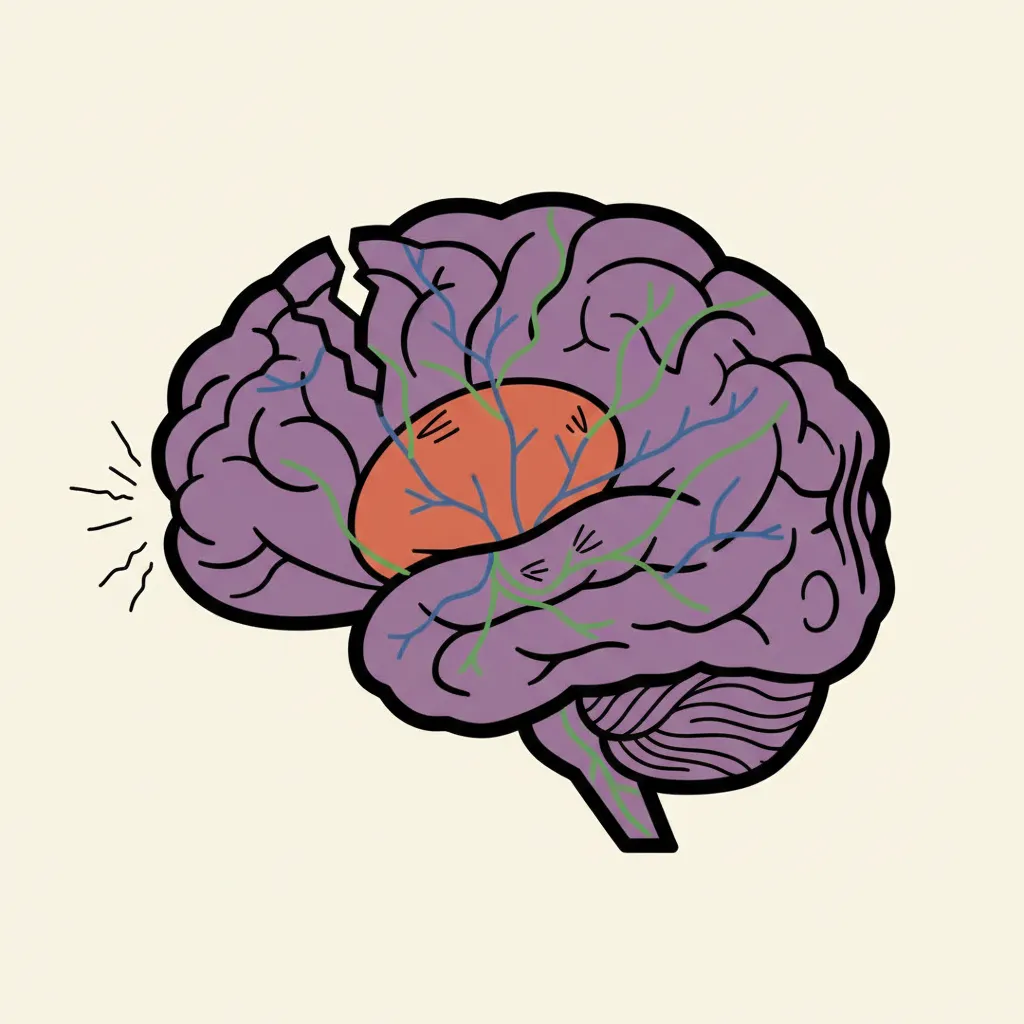
Prolonged stress can physically alter brain structures like the amygdala, hippocampus, and prefrontal cortex, but neuroplasticity means your brain can recover with the right interventions.
For General Audiences
1. The Stress Response: Fight, Flight, or Freeze
When stressed, your body activates its ancient survival mechanism — your heart races, breathing quickens, and you become hyperalert.
2. The Brain on Stress
- Amygdala: Your brain’s alarm system becomes oversensitive with chronic stress, increasing anxiety.
- Hippocampus: This memory-crucial area can shrink under prolonged stress, impairing recall ability.
- Prefrontal Cortex: Your “thinking cap” can thin out, making decisions and impulse control more difficult.
3. Stress Hormones: Too Much of a Good Thing
Cortisol helps in small amounts, but constantly flowing levels disrupt sleep and immune function.
4. Rewiring for Worry
Your brain becomes more stress-sensitive over time, with its “stress thermostat” stuck on high.
5. The Body-Brain Connection
Chronic stress manifests physically through headaches, muscle tension, and digestive issues.
6. The Silver Lining: Your Brain Can Bounce Back
The brain is adaptable; stress-reduction techniques, exercise, and professional help facilitate recovery.
For Practitioners
1. HPA Axis Dysregulation
Chronic stress activates the hypothalamic-pituitary-adrenal axis persistently, causing elevated cortisol, glucocorticoid receptor resistance, impaired negative feedback, and altered circadian rhythms.
2. Neuroanatomical Changes
- Amygdala: Dendritic hypertrophy underlying heightened anxiety
- Hippocampus: Dendritic atrophy and reduced neurogenesis affecting memory
- Prefrontal Cortex: Apical dendrite atrophy impairing executive function
3. Neurotransmitter Systems
- Noradrenergic: Sustained norepinephrine elevation contributes to anxiety
- Serotonergic: Altered receptor density underlies mood disorders
- Dopaminergic: Changes in mesolimbic signaling cause anhedonia
4. Neuroplasticity and Synaptic Remodeling
Altered through reduced BDNF expression, glutamatergic changes, and dendritic spine modifications.
5. Neuroinflammation
Promoted via microglial activation, pro-inflammatory cytokine production, and blood-brain barrier permeability changes.
6. Functional Connectivity
Neuroimaging reveals stress-induced alterations between amygdala, hippocampus, and prefrontal cortex affecting emotional processing.
7. Epigenetic Mechanisms
Chronic stress induces DNA methylation and histone modifications, creating lasting changes in stress-responsivity gene expression.
This information is for educational purposes and is not intended as a substitute for professional medical advice, diagnosis, or treatment.
Ready to Understand Your Pattern?
Take the assessment and get a personalized action plan based on your specific stress pattern.
Take the Assessment