How Long Does It Take to Recover from Prolonged Stress Exposure?
Recovery from chronic stress is possible, but timelines vary. Understand the stages of recovery and what accelerates the process.
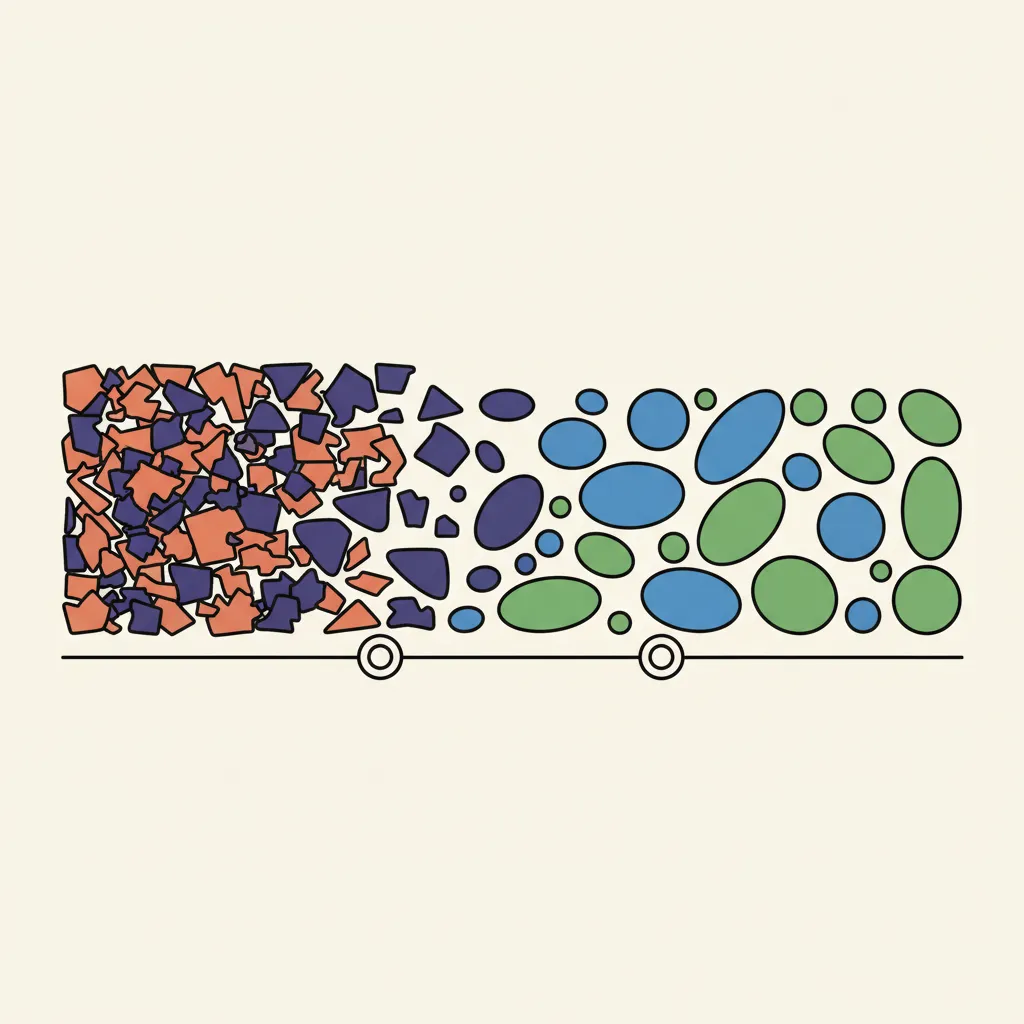
Recovery from chronic stress is possible. But how long does it actually take? The honest answer: it depends. Timelines vary based on individual circumstances, but understanding the process helps set realistic expectations.
Factors Affecting Recovery
- Duration and intensity of stress exposure
- Personal resilience capacity
- Available support networks
- Lifestyle habits — nutrition, physical activity, sleep quality
- Implemented coping strategies
Someone who has been under intense stress for 6 months will generally recover faster than someone who has endured moderate-to-high stress for 5 years. The body’s stress response systems have memory — the longer they’ve been activated, the longer the reset takes.
Recovery Stages
1. Recognition
Acknowledging that chronic stress is affecting your health. This often happens when symptoms become impossible to ignore — fatigue, sleep disruption, mood changes, or physical pain.
2. Stabilization
Implementing immediate changes to reduce acute stress load. This might include boundary-setting, sleep hygiene improvements, or seeking professional support.
3. Rebuilding
Systematically restoring health across all domains — physical, emotional, cognitive, and social. This is where sustained coaching and structured programs make the biggest difference.
4. Maintenance & Relapse Prevention
Building habits and awareness that prevent future stress accumulation. Recovery isn’t a destination — it’s a new way of relating to stress.
What the Research Says
A 2020 study published in Psychoneuroendocrinology indicates that cortisol levels can start normalizing within weeks of stress reduction, but full recovery can take months. Structural brain changes from chronic stress may take 6-12 months to reverse.
What Accelerates Recovery
- Consistent exercise — Even moderate activity (walking 30 minutes daily) significantly impacts cortisol regulation
- Sufficient sleep — 7-9 hours, with consistent bed and wake times
- Nutritional balance — Anti-inflammatory foods, adequate protein, limiting sugar and alcohol
- Mindfulness practices — Even 10 minutes daily shows measurable cortisol reduction
- Professional support — Coaching or therapy, depending on severity
The Most Important Thing to Know
Recovery is not linear. You’ll have good weeks and setbacks. This is normal. The overall trajectory matters more than any single day.
Our programs are designed around these recovery stages. See which program fits where you are in your journey.
Ready to Understand Your Pattern?
Take the assessment and get a personalized action plan based on your specific stress pattern.
Take the Assessment