What Are the Long-Term Effects of Chronic Stress on the Body?
Chronic stress can silently damage your cardiovascular, digestive, endocrine, and immune systems over time, but evidence-based lifestyle changes can help protect your long-term health.
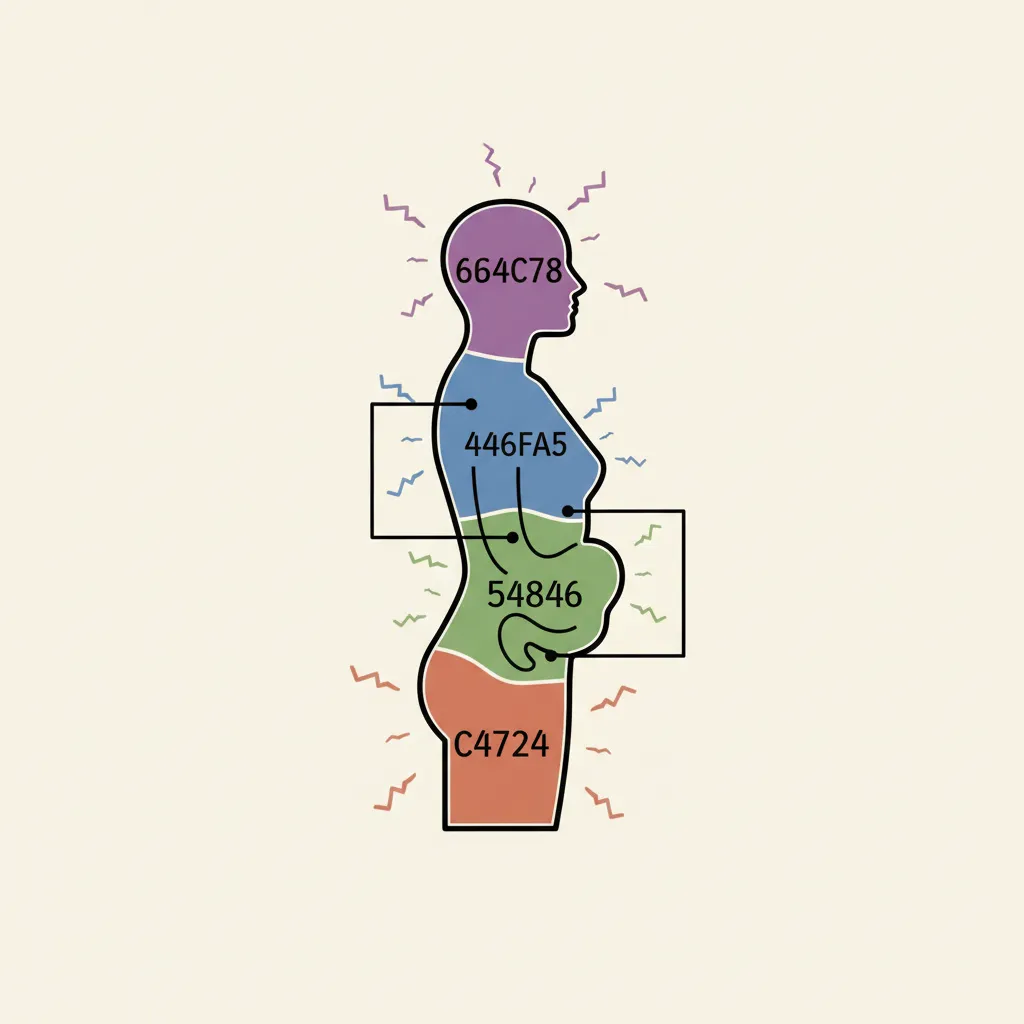
Chronic stress isn’t just a temporary discomfort — it can have lasting impacts on your health. Here’s what you need to know:
The Silent Toll: Long-Term Effects of Chronic Stress on Your Body
- Cardiovascular System: Prolonged stress can increase blood pressure and heart rate, raising the risk of heart disease and stroke.
- Digestive System: Stress can exacerbate conditions like acid reflux, ulcers, and irritable bowel syndrome.
- Endocrine System: Chronic stress disrupts hormone balance, potentially leading to thyroid issues, diabetes, and reproductive problems.
- Immune System: Long-term stress suppresses immune function, increasing susceptibility to infections and slowing healing.
- Nervous System: Persistent stress can contribute to anxiety, depression, and even cognitive decline over time.
- Musculoskeletal System: Chronic tension can lead to persistent pain and increase the risk of conditions like fibromyalgia.
- Sleep: Ongoing stress often disrupts sleep patterns, which can further compound health issues.
By addressing chronic stress — and its evil twin sibling chronic inflammation — through lifestyle changes, relaxation techniques, and professional support when needed, you can protect your long-term health and well-being.
Here’s How
Sometimes, the most effective stress-busting strategies are the simplest. Here are evidence-backed lifestyle changes to help manage chronic stress:
- Prioritize Sleep: A 2020 study in Nature Human Behavior found that “even small improvements in sleep quality can significantly reduce stress levels.”
- Regular Exercise: The American Psychological Association reports that exercise represents one of the most effective stress management techniques. Even a 10-minute walk can make a difference.
- Mindful Eating: A 2019 review in Nutrients found that mindful eating practices can reduce stress-related eating behaviors and improve overall well-being.
- Nature Exposure: Research in Frontiers in Psychology shows that “spending just 20-30 minutes in nature can lower cortisol levels.”
- Digital Detox: A 2018 study in Computers in Human Behavior found that “limiting social media use to 30 minutes a day” yields significant well-being improvements.
- Practice Gratitude: According to research in the Journal of Happiness Studies, practicing gratitude enhances both mental health and life satisfaction.
- Time Management: Using techniques like the Pomodoro method can help reduce work-related stress and improve productivity.
Remember, consistency is key. Start with one or two changes and gradually incorporate more as they become habits.
This information is for educational purposes and is not intended as a substitute for professional medical advice, diagnosis, or treatment.
Ready to Understand Your Pattern?
Take the assessment and get a personalized action plan based on your specific stress pattern.
Take the Assessment