Is Chronic Stress Linked to High Blood Pressure?
Medical research confirms a relationship between prolonged stress and elevated blood pressure. Here are five key mechanisms and what you can do about it.
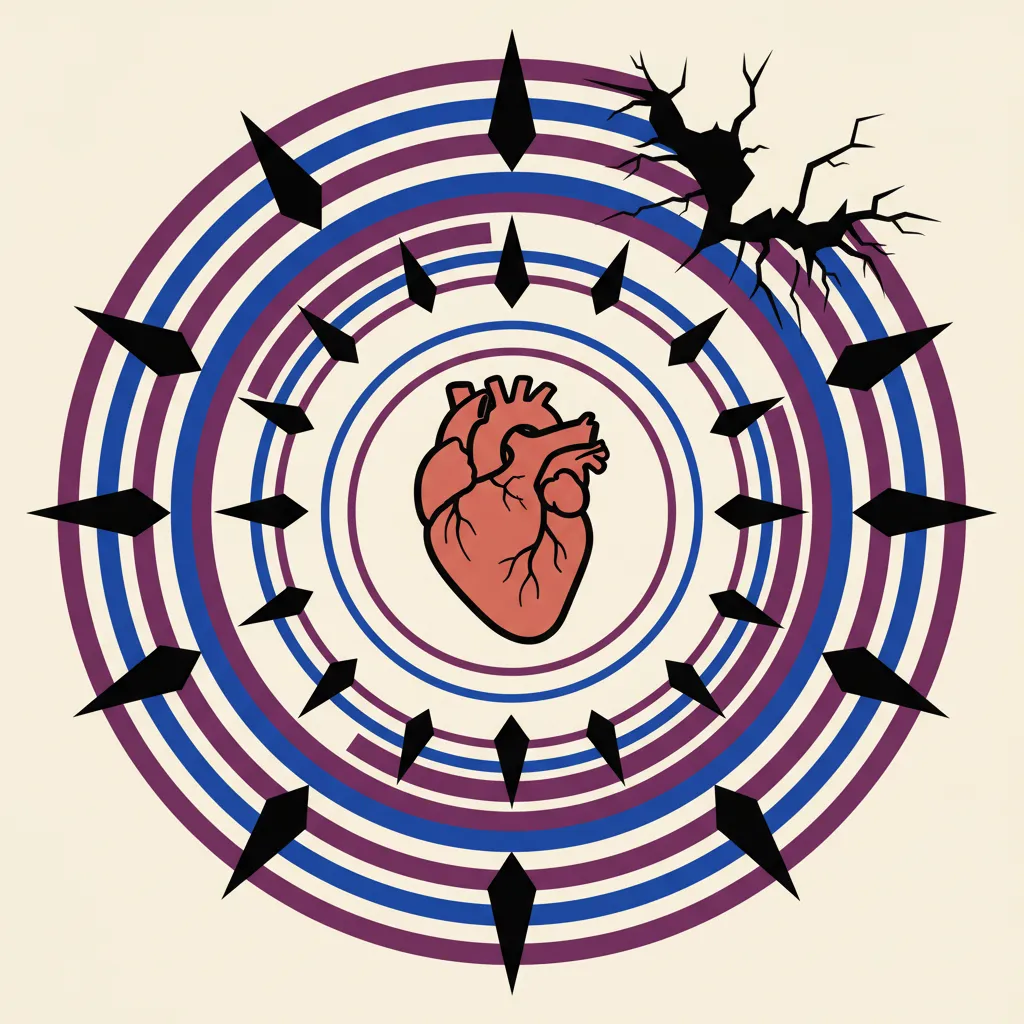
The short answer: yes. Medical research confirms a significant relationship between prolonged stress and elevated blood pressure. Here’s how it works.
Five Key Mechanisms
1. Stress Hormones
Chronic stress causes sustained elevation of cortisol and adrenaline, which directly raise blood pressure. A 2019 study in Current Hypertension Reports documented how persistent hormonal elevation leads to vascular changes over time.
2. Behavioral Factors
Stress often leads to behaviors that can raise blood pressure: poor diet, lack of exercise, and increased alcohol consumption. The American Heart Association identifies these lifestyle factors as major modifiable risk factors for hypertension.
3. Inflammation
Chronic stress triggers systemic inflammation connected to hypertension. Research published in Nature Reviews Cardiology details the inflammatory pathways through which stress damages cardiovascular health.
4. Vascular Changes
Prolonged stress alters blood vessel structure and function, causing sustained hypertension. A 2020 study in Hypertension demonstrated that chronic stress physically remodels arterial walls, making them less flexible.
5. Sleep Disruption
Stress-related sleep issues contribute to elevated blood pressure. The Journal of the American Heart Association has linked poor sleep quality to increased hypertension risk, creating a vicious cycle where stress disrupts sleep, which raises blood pressure, which increases stress.
What You Can Do
Stress management alone typically cannot control high blood pressure comprehensively. The most effective approach combines:
- Lifestyle modifications — Regular exercise, Mediterranean-style diet, limiting alcohol and sodium
- Stress reduction — Mindfulness, breathwork, adequate sleep, and social connection
- Medical supervision — Regular monitoring and medication when appropriate
The key insight is that these approaches work synergistically. Stress management makes lifestyle changes easier to maintain, which improves blood pressure, which reduces physiological stress.
When to Seek Help
If you’re dealing with both chronic stress and elevated blood pressure, addressing them together — rather than in isolation — typically produces better outcomes. Talk to our team about an integrated approach.
This information is for educational purposes. Always consult your physician regarding blood pressure management.
Ready to Understand Your Pattern?
Take the assessment and get a personalized action plan based on your specific stress pattern.
Take the Assessment